Between Lectures and Hunger: Comrade Ahmad’s Choice to Struggle Harder
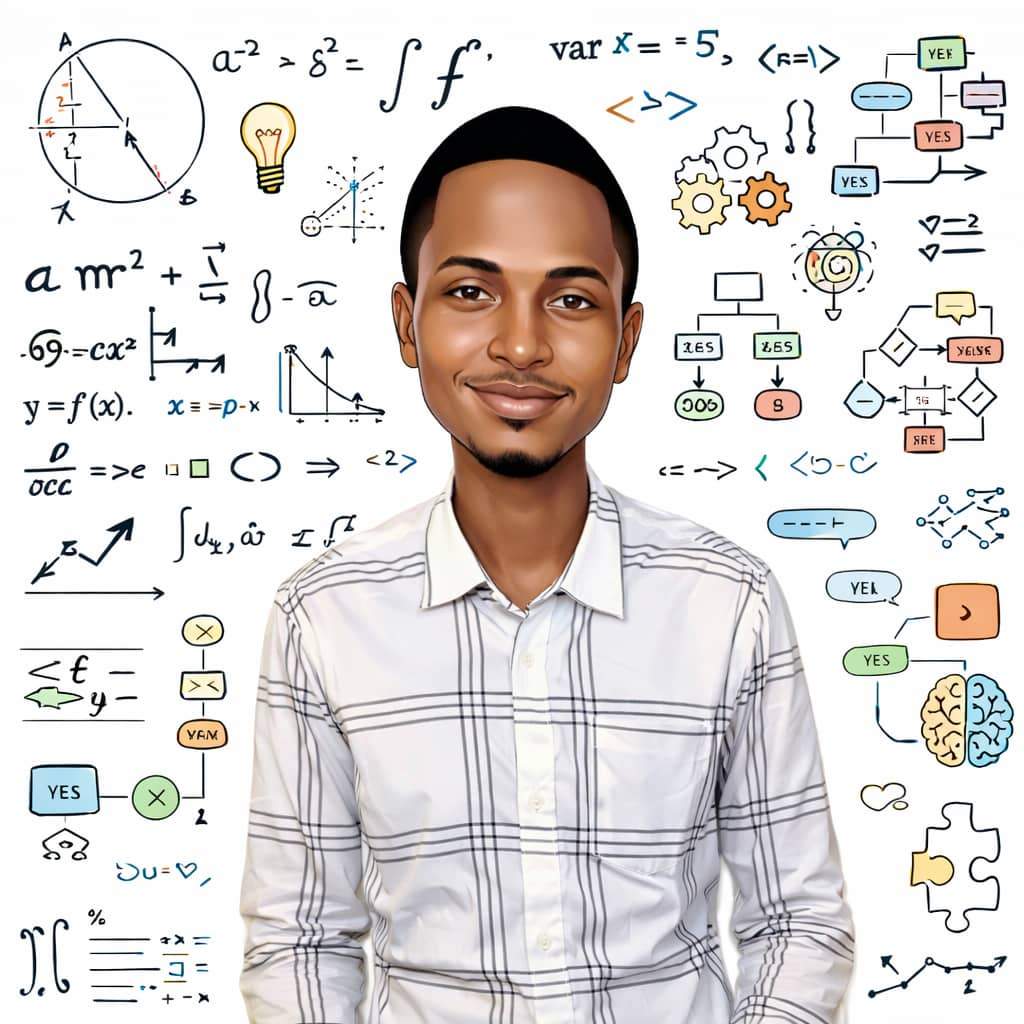
For many undergraduates, the path to a degree is paved with parental support and financial stability. But for Comrade Ahmad, a student at the Federal University Birnin Kebbi (FUBK), the journey has been a daily negotiation between the desire to learn and the basic need to survive.
In a candid account shared with this publication, Ahmad, who transitioned from an NCE program to the university against steep odds reveals the stark reality of pursuing academic excellence on an empty stomach. His story highlights a powerful truth often overlooked in Nigerian higher education: for some, the greatest test is not written on paper, but lived out in resilience.
A Dream Without Resources
Ahmad’s journey to FUBK began with a bold ambition following the completion of his NCE: to pursue a university degree despite a complete lack of financial safety net.
"Reality was difficult," Ahmad recalls. "There was no money to start a business, no solid financial support to further my education, and no resources to learn a skill that could generate income."
Rather than succumbing to these deficits, he chose the "difficult path," working menial part-time jobs to scrape together registration fees. "I bought some foodstuffs and resumed the academic session with hope in my heart," he shared.
The Reality of the Struggle
Once on campus, that hope was tested by a grueling daily reality. Ahmad describes the academic session as "one of the most challenging periods of my life," marked by a constant division of focus between solving exam questions and solving the problem of hunger.
"Many days, I ate only in the morning and had nothing else until late at night," he disclosed. "I was broke, with no one to call for financial help and no one to rely on."
Compounding the isolation was the material toll of poverty—including a damaged smartphone screen during critical exam periods that couldn't be repaired. Yet, the FUBK student maintained a focus on his CGPA, driven by a conviction that "my dreams were bigger than my problems."
Finding Strength in Observation and Faith
How does one keep going when physical strength fails? For Comrade Ahmad, motivation was drawn from the very environment that highlighted his lack. Rather than feeling envy toward wealthier peers on campus, he used it as fuel.
"Seeing wealthy students enjoying life pushed me to work harder—not with jealousy, but with determination to create a better future for myself," he explained.
This mental fortitude was underpinned by a deep spiritual foundation. He credits his parents' prayers and his own faith as the "greatest strength" that sustained him when physical energy was depleted.
The Lesson of Resilience
Today, looking back at the ordeal, Ahmad's narrative is not one of regret, but of gratitude for the character forged in the fire of hardship. He views the struggle as a necessary process to build patience and grit.
In a final, resonating statement on the disparity of student experiences, he offered this perspective: "Some people have an easy path, but we struggle harder—and that struggle will make our success even greater."
As Comrade Ahmad’s story proves, hard times do not merely destroy; for those with the will to endure, they build the indestructible.